What is Gas Chromatography? The Ultimate Industrial Guide (2026)
In the complex world of chemical and petrochemical manufacturing, controlling product quality and purity is uncompromising. Gas Chromatography (GC) stands as one of the most critical analytical technologies used to separate, identify, and quantify volatile chemical compounds without causing them to decompose.
This guide from ASE (Analytical Systems Engineering) takes an in-depth look at Gas Chromatography technology, with a special focus on Process Gas Chromatography (PGC)systems specifically engineered for heavy industrial applications.
What is Gas Chromatography and How Does it Work?
Gas Chromatography is an analytical technique based on the principle of separating a mixture of compounds. When a sample is injected into the machine, it is vaporized and swept along by a Carrier Gas, typically Helium, Nitrogen, or Hydrogen.
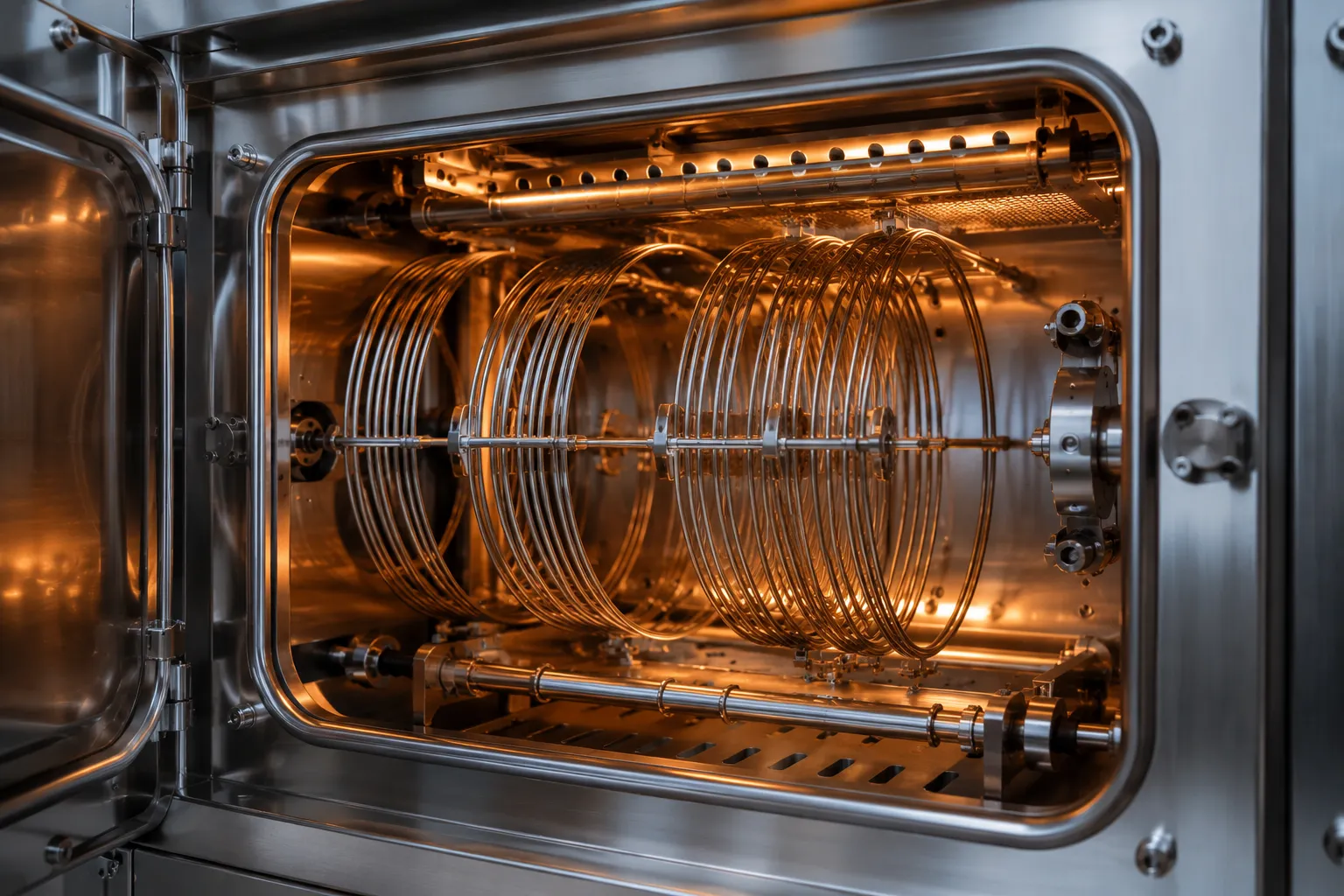
The vaporized mixture flows through a microscopic tube called a Column, which is internally coated with a specific material known as the stationary phase. Different compounds in the sample interact with the column at different rates, causing them to travel at varying speeds. The compounds that travel fastest exit the column first and enter a Detector. The detector translates these signals into a visual graph called a chromatogram, allowing engineers and analysts to precisely identify and quantify each substance.
Lab GC vs. Process GC (PGC): What is the Difference?
While many are familiar with traditional benchtop GC systems found in laboratories, the petrochemical, refining, and gas separation industries rely heavily on Process Gas Chromatography (PGC). The key differences include:
- Online, Real-Time Analysis: PGCs are installed directly adjacent to the process pipelines or tanks. They automatically draw samples and analyze them 24/7, eliminating the need for manual sample collection and transport to a central lab.
- Harsh Environment Durability: Process GC systems, such as the Valmet MAXUM II series, are ruggedized. They are designed to withstand extreme temperatures, vibrations, and are built with explosion-proof enclosures for safe operation in hazardous outdoor environments.
- Modular Design: To ensure rapid maintenance, Process GCs are often modular. Critical components like the analytical oven or detectors can be swapped out quickly, drastically reducing costly plant downtime.
Industrial Applications of Gas Chromatography
This technology is utilized extensively, particularly in Thailands energy and petrochemical sectors:
- Refinery Gas Analysis (RGA): Analyzing the composition of gases produced during crude oil refining to evaluate quality and heating value (BTU).
- Petrochemical Production: Monitoring the extreme purity of feedstock molecules like Ethylene and Propylene, which is a strict requirement before polymerization into plastics.
- Environmental Monitoring: Measuring greenhouse gases or Volatile Organic Compounds (VOCs) emitted from industrial stacks to ensure strict environmental compliance.
Navigating the Helium Shortage in GC Systems
One of the most pressing challenges in the analytical industry today is the global shortage and skyrocketing cost of Helium, the historically preferred carrier gas for GC systems.
ASE engineers highly recommend that industrial plants consider transitioning to alternative carrier gases, primarily Hydrogen or Nitrogen. Hydrogen is an excellent alternative for Gas Chromatography because it can be generated on-site using a Hydrogen Generator, significantly lowering long-term operational costs. Furthermore, hydrogen can often increase the speed of analysis, providing faster results. However, executing this transition safely and effectively requires deep expertise to reconfigure columns, adjust methods, and ensure rigorous safety standards.
Conclusion
Gas Chromatography is far more than just a laboratory instrument; it is a vital technology that drives safety, efficiency, and profitability in industrial manufacturing. Selecting the right Process GC system, engineering an accurate sample conditioning system, and performing proactive maintenance will ensure your analytical systems operate with pinpoint accuracy for years to come.
If your plant is looking for robust Process Analyzer solutions or needs expert consultation on upgrading existing GC systems to mitigate the helium shortage, the specialized engineering team at ASE (Analytical Systems Engineering) is ready to design and implement a solution tailored to your exact industrial requirements.


