CEMS Maintenance Checklist & 5 Factors for Choosing the Right System
For industrial facilities, a Continuous Emission Monitoring System (CEMS) is not just another instrument; it is a critical link between your operations and environmental regulators. Maintaining high system availability and accuracy is paramount to avoid fines and operational shutdowns.
CEMS Maintenance: A Professional Checklist
To ensure your system maintains an availability rate above 95%, follow this structured maintenance protocol:
1. Daily Checks (Routine) - Calibration Drift: Verify Zero and Span values. According to US EPA standards, these should typically remain within 2.5% of the instrument's range. - System Alarms: Monitor the Data Acquisition System (DAS) for any heater, flow, or pressure alarms. - Visual Inspection: Check for visible leaks or condensate buildup in sample lines.
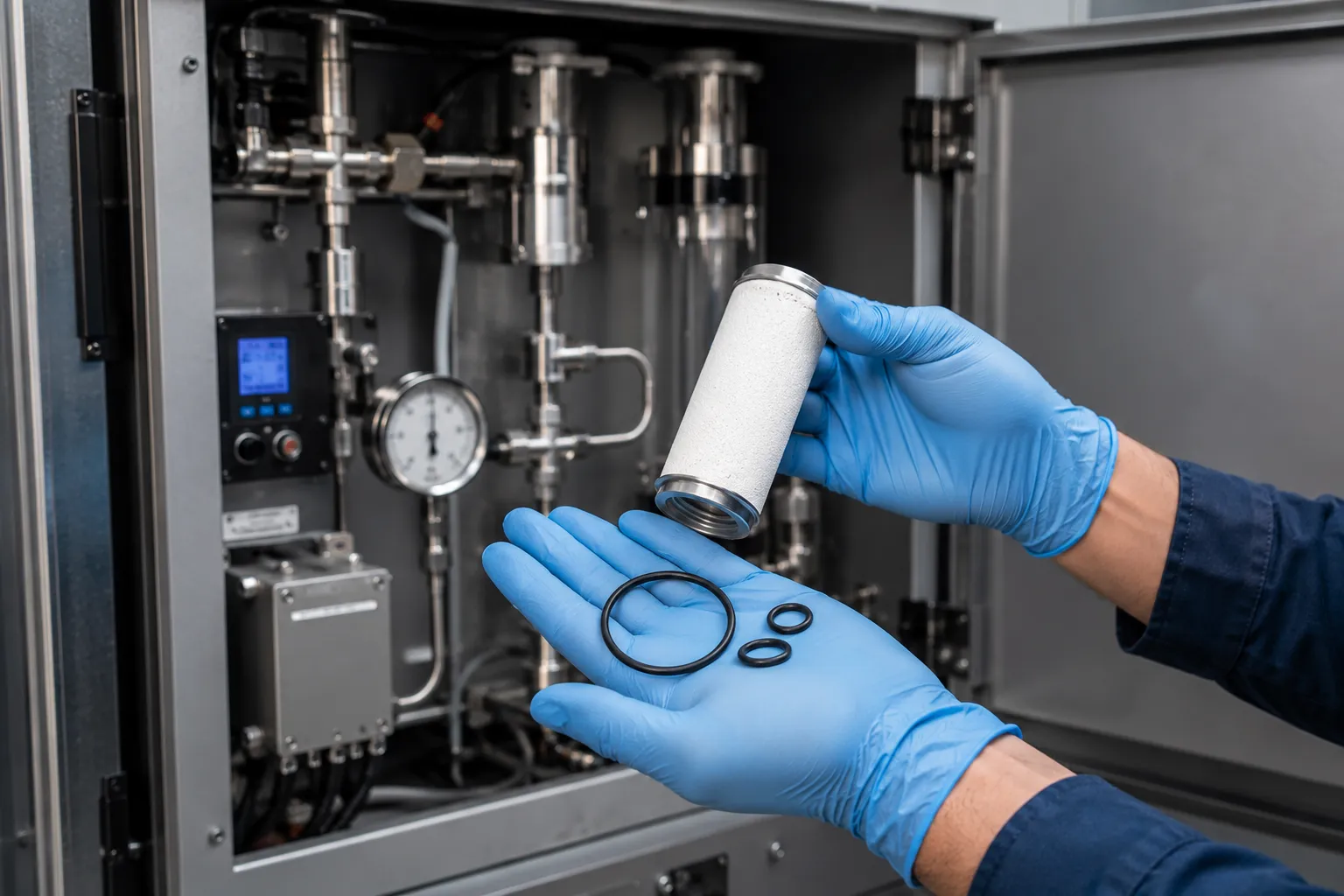
2. Monthly Maintenance - Filter Maintenance: Inspect and replace particulate filters. Dust ingress is the leading cause of analyzer failure. - Sample Pump Integrity: Verify the suction power and diaphragm condition of your sample pump. - Gas Cooler Performance: Ensure the cooling system is effectively removing moisture before gas enters the analyzer.
3. Annual Quality Assurance (QA/QC) - Linearity Audits: Challenge the analyzer with three levels of certified calibration gas to ensure a linear response. - RATA (Relative Accuracy Test Audit): An annual mandatory requirement in Thailand, where CEMS performance is compared against a reference method by a third-party laboratory.
5 Critical Factors for Choosing the Right CEMS
When investing in a new CEMS or upgrading an existing one, consider these five factors to ensure long-term value:
1. Regulatory Compliance The system must meet DIW-recognized standards, primarily the US EPA Performance Specifications or the European EN 14181 framework.
2. Suitability for Process Conditions Choose the right technology for your stack environment. High-moisture environments often require Hot-Wet Extractive systems to prevent acid condensation and corrosive damage.
3. Total Cost of Ownership (TCO) Look beyond the initial purchase price. Evaluate the 5-to-10-year operational costs (OpEx), including calibration gas consumption, electricity, and the cost of proprietary spare parts.
4. Local Technical Support & Spare Parts CEMS must operate 24/7. Relying on a vendor that lacks local engineers or stocks spare parts in Thailand poses a significant regulatory risk. Ensure your partner offers rapid response times and local expertise.
5. Robust DAHS Software Your Data Acquisition and Handling System (DAHS) must accurately calculate required averages (e.g., 1-hour TWA) and maintain a stable connection to the POMS portal. It should also have a robust data-buffering capability during internet outages.


