What is CEMS? 5 Core Components & New Regulations 2024-2026
In an era where environmental compliance is a critical legal mandate, Continuous Emission Monitoring Systems (CEMS) have become the backbone of industrial safety and regulatory adherence in Thailand. This guide by ASE explores the mechanics of CEMS and the latest legal deadlines you must meet.
What is CEMS?
CEMS is an automated system designed to continuously measure the concentration of pollutants (such as SO2, NOx, CO, and Particulate Matter) and physical parameters (O2, Flow Rate) emitted from industrial stacks. The system operates 24/7, providing real-time data to the Department of Industrial Works (DIW) via the POMS network.
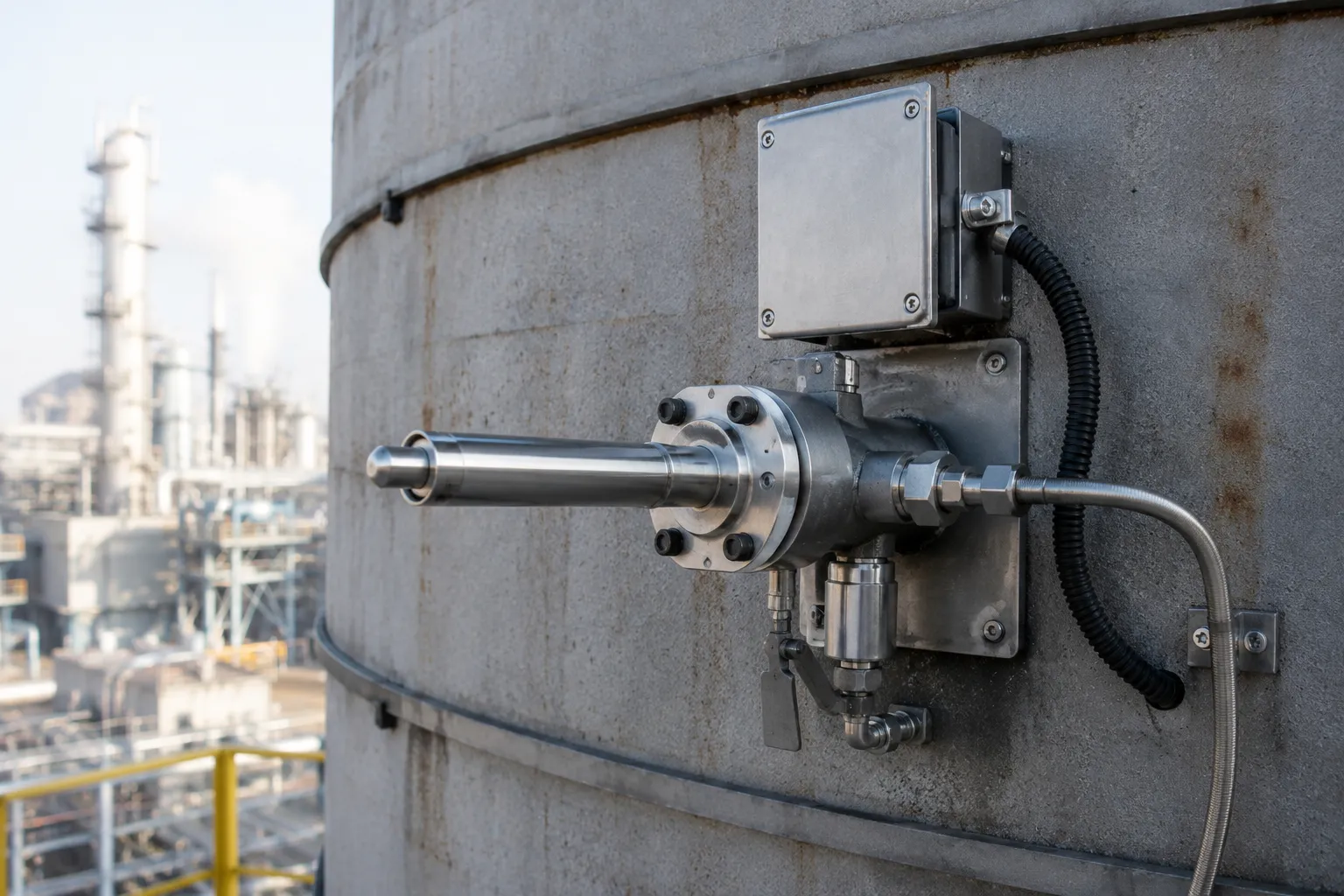
The 5 Core Components of a CEMS System
To ensure accuracy and compliance with international standards (e.g., US EPA Performance Specifications), a CEMS must include these 5 essential elements:
1. Sampling System Extracts the sample gas from the stack. - Heated Sample Probe & Line: Critical for maintaining the gas temperature (typically 180°C) to prevent condensation, which can absorb water-soluble gases like SO2 and lead to inaccurate readings. - Related Tech: Industrial Gas Sensor Guide
2. Sample Conditioning System Prepares the gas for the sensitive analyzers by removing moisture through high-efficiency gas coolers and filtering out fine particulates.
3. Gas Analyzers The analytical "heart" of the system. Technologies include: - NDIR: Ideal for multi-component analysis (CO, SO2, CH4). - FTIR / Laser: For complex mixtures and high-precision requirements. - Advanced Analysis: Industrial Gas Chromatography Solutions
4. Data Acquisition and Handling System (DAS) A combination of hardware (PLCs/Loggers) and software that converts raw signals into engineering units, calculates averages (TWA), and generates regulatory reports.
5. Reporting & POMS Integration The final step is the automatic transmission of data to the Pollution Online Monitoring System (POMS). Under Thai law, data must be at least 80% complete during daily operational hours.
2025-2026 Legal Deadlines for Thai Factories
Factory owners must stay alert to these critical dates: - Dec 31, 2025: Final deadline for existing factories with approved extension plans to complete CEMS installation and POMS connection. - 2026 BKK Focus: New regulations specifically targeting PM2.5 in Bangkok require 156 additional factories (including those with large Boilers) to install CEMS. New factories must comply by Feb 13, 2026, and existing ones by Oct 1, 2026. - Quarterly Reporting: Even exempted factories must now measure and report emission data through POMS every 3 months.
Conclusion
Investing in a high-quality CEMS is an investment in operational continuity and environmental stewardship. ASE Thailand provides end-to-end CEMS solutions, including design, installation, and Relative Accuracy Test Audit (RATA) services.
For comprehensive plant safety, consider integrating your CEMS with a Fixed Gas Detection System. Contact ASE today for expert guidance on your next environmental project.


